
seismic wire rope is an essential component in the area of geophysical exploration. It plays a crucial role in seismic operations and is used for a variety of applications such as seismic surveys, geophysical data collection, and oil and gas exploration. The strength, durability, and flexibility of seismic wire rope make it ideal for these demanding tasks.
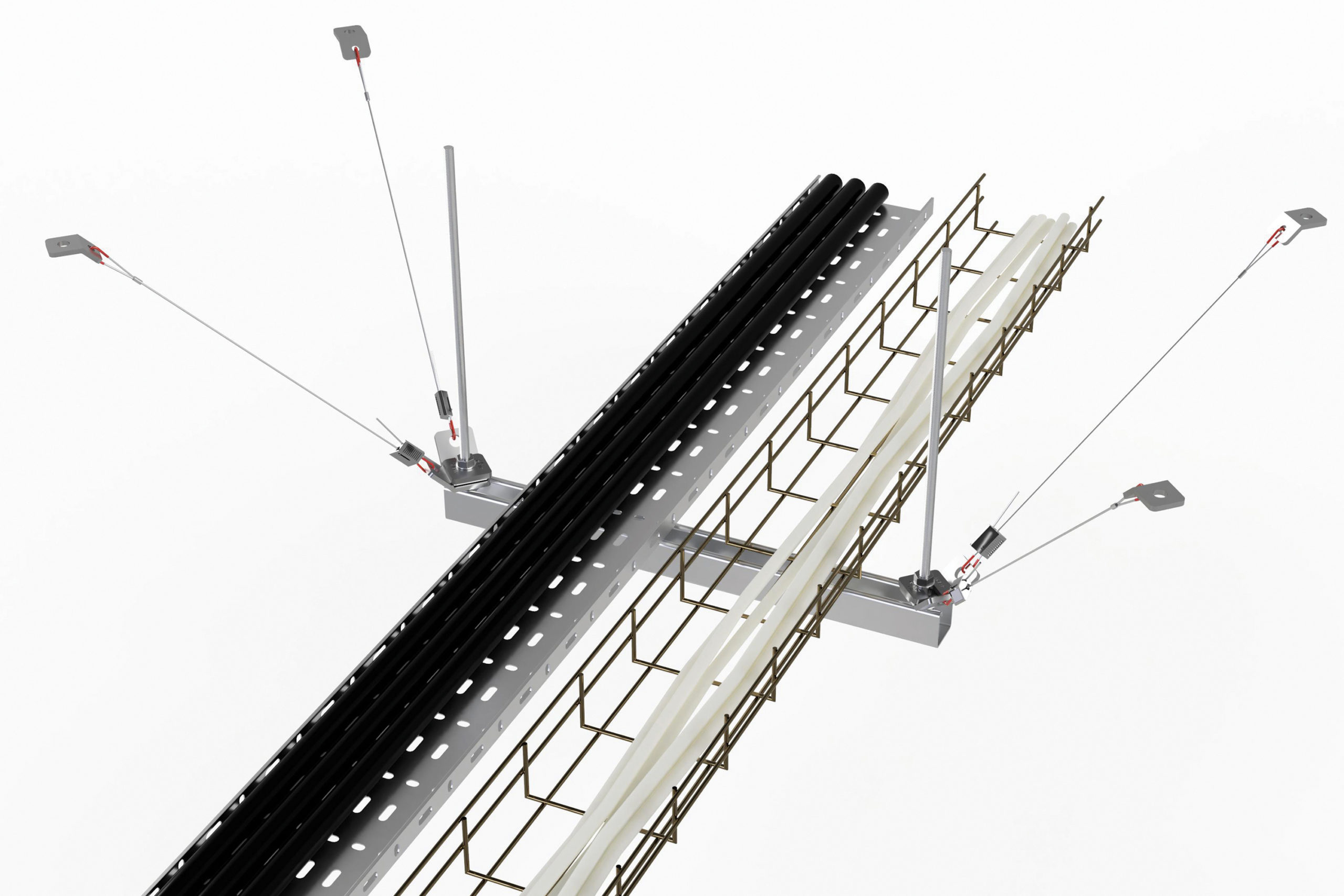
seismic wire rope is designed to withstand the extreme conditions of seismic exploration. It is made from multiple strands of high-strength steel wire that are twisted or braided together to form a flexible and resilient rope. This construction gives seismic wire rope its strength and durability, allowing it to handle heavy loads and withstand the rigorous demands of seismic operations.
One of the key features of seismic wire rope is its tensile strength. Tensile strength refers to the maximum amount of force a material can withstand without breaking. seismic wire rope is designed to have a high tensile strength, making it capable of supporting heavy equipment and handling the stresses and strains of seismic operations. This strength is essential for tasks such as towing seismic equipment, suspending geophysical sensors, and navigating rugged terrain.
In addition to its tensile strength, seismic wire rope also offers flexibility. The multiple strands of steel wire that make up the rope allow it to bend and flex without breaking. This flexibility is essential for seismic operations that require the wire rope to navigate rough terrain, pass through tight spaces, and withstand twisting and bending forces. The flexibility of seismic wire rope ensures that it can adapt to the challenges of seismic exploration and perform reliably in a variety of environments.
Another important characteristic of seismic wire rope is its durability. Seismic operations can be harsh and demanding, with equipment and materials exposed to extreme weather conditions, rough terrain, and heavy use. Seismic wire rope is designed to withstand these challenges and remain reliable under tough conditions. Its construction from high-strength steel wire and specialized coatings or treatments enhance its resistance to corrosion, abrasion, and wear, ensuring a long service life and reliable performance in the field.
Seismic wire rope is used in a variety of seismic operations, including seismic surveys, geophysical data collection, and oil and gas exploration. In seismic surveys, wire rope is used to tow seismic equipment such as seismic sources and streamers, which emit sound waves into the earth to map subsurface geology. The strength and flexibility of seismic wire rope allow it to support these heavy and bulky equipment, ensuring that they can be deployed and operated safely and effectively.
In geophysical data collection, seismic wire rope is used to suspend geophysical sensors and instruments that measure seismic waves and other geophysical parameters. The durability of seismic wire rope ensures that these sensors can be deployed in challenging environments and provide reliable data collection for geophysical studies and research.
Seismic wire rope is also essential in oil and gas exploration, where it is used in drilling operations, well logging, and seismic imaging. The strength and flexibility of seismic wire rope allow it to handle the demands of drilling equipment and tools, ensuring safe and efficient drilling operations in offshore and onshore environments.
Overall, seismic wire rope is a critical component in the field of geophysical exploration. Its strength, durability, and flexibility make it essential for seismic operations and enable the successful completion of seismic surveys, geophysical data collection, and oil and gas exploration. With its high tensile strength, flexibility, and durability, seismic wire rope ensures the safety, efficiency, and reliability of seismic operations in a variety of environments.